

A Complete Introduction to SEO, Its Importance, and Practical Strategies to Grow Organically
Introduction to SEO and Its Impact on Online Growth
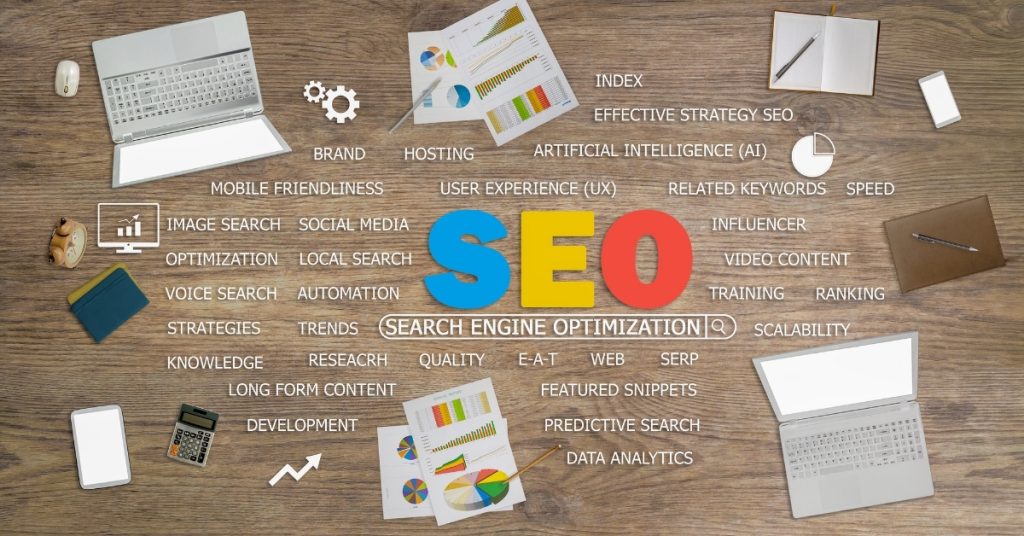
Search Engine Optimization, widely known as SEO, is a vital component of modern digital marketing that determines how easily a website can be discovered online. As search engines continue to evolve, businesses and individuals must adapt their strategies to remain visible in search results. SEO helps bridge the gap between user queries and relevant content by aligning websites with search engine algorithms.
In the digital age, where competition is intense across every niche, SEO acts as a long-term growth engine. It not only drives traffic but also enhances credibility, user experience, and brand authority. Understanding SEO from a foundational level allows website owners to make informed decisions and build a sustainable online presence.
What is SEO?
Understanding the Core Concept of SEO
SEO is the practice of optimizing a website to improve its ranking in organic search engine results. It involves enhancing multiple aspects such as content quality, keyword placement, technical performance, and backlinks. The ultimate goal is to ensure that a website appears prominently when users search for relevant topics.
Unlike paid advertising, SEO focuses on earning visibility naturally. This makes it a reliable and cost-effective approach for long-term success. By implementing SEO strategies, websites can attract users who are actively searching for information, products, or services related to their niche.
The Purpose and Function of SEO
The primary function of SEO is to connect users with the most relevant and valuable content. Search engines aim to deliver accurate results, and SEO helps websites meet these expectations by improving their structure and relevance.
For a deeper understanding of SEO fundamentals, this resource on Search Engine Optimization explains how search engines evaluate and rank web pages based on various factors.
Why SEO is Important
Enhancing Online Visibility
SEO significantly improves a website’s visibility by helping it rank higher in search engine results. Websites that appear on the first page receive the majority of clicks, making it crucial to achieve top positions.
Increased visibility leads to better brand recognition. When users frequently encounter a website in search results, they begin to trust it as a reliable source of information.
Driving Organic and Targeted Traffic
One of the most important benefits of SEO is its ability to generate organic traffic. This type of traffic is highly targeted because users are actively searching for specific information.
Targeted visitors are more likely to engage with the content and take meaningful actions. This makes SEO an effective strategy for improving conversion rates and achieving business objectives.
Building Authority and Trust
SEO helps establish authority by focusing on content quality and backlinks. Websites that consistently provide valuable information and receive links from reputable sources are seen as trustworthy.
Trust is a critical factor in online success. When users trust a website, they are more likely to interact with it, share its content, and return for future visits.
How Search Engines Work
Crawling and Indexing Process
Search engines use bots to crawl websites and discover new content. These bots analyze web pages and store the information in an index. This process ensures that content is available for search results.

Proper optimization helps search engines crawl and index pages efficiently. This improves the chances of a website appearing in relevant searches.
Ranking Mechanism
Ranking is the process of determining the order of search results. Search engines evaluate factors such as relevance, quality, and user experience to decide which pages should appear first.
Understanding these factors allows website owners to optimize their content effectively and improve their ranking potential.
Key Elements of SEO
On-Page SEO Optimization
On-page SEO focuses on optimizing elements within a website. This includes content, headings, meta tags, and internal linking. Proper optimization ensures that each page is relevant and easy to understand.
Important on-page SEO practices include:
- Using keywords naturally in content
- Creating high-quality and engaging articles
- Structuring content with proper headings
- Linking related pages internally
These practices improve both user experience and search engine understanding.
Off-Page SEO Strategies
Off-page SEO involves building a website’s authority through external factors. Backlinks are the most important aspect, as they indicate trust and credibility.
Other off-page strategies include social media engagement and brand mentions. These efforts help strengthen a website’s online presence and improve rankings.
Technical SEO Essentials
Technical SEO ensures that a website functions efficiently. It includes optimizing speed, mobile responsiveness, and site structure. These elements are crucial for both user experience and search engine performance.
A technically optimized website allows search engines to crawl and index content more effectively.
Keyword Research and Planning
Importance of Keywords
Keywords are the foundation of SEO. They represent the terms users search for when looking for information. Choosing the right keywords helps connect content with the target audience.
There are different types of keywords, including short-tail and long-tail keywords. Long-tail keywords are often more specific and easier to rank for.
Effective Keyword Research Techniques
Keyword research involves identifying relevant search terms and analyzing their potential. Some effective techniques include:
- Using keyword research tools
- Studying competitor strategies
- Exploring search suggestions
- Focusing on user intent
These methods help create content that aligns with user needs and improves ranking opportunities.
Content Strategy for SEO
Creating High-Quality Content
Content is the backbone of SEO. High-quality content provides value, answers questions, and engages readers. It should be informative, well-structured, and easy to understand.
Search engines prioritize content that demonstrates expertise and relevance. Consistently producing valuable content improves rankings and builds a loyal audience.
Optimizing Content for Search Engines
Content optimization involves improving readability and keyword usage. This includes using headings, bullet points, and clear formatting.
Keywords should be integrated naturally into the content. Overuse can harm readability and lead to penalties. Instead, focus on delivering meaningful and engaging information.
Link Building and SEO Authority
Importance of Backlinks
Backlinks play a crucial role in SEO. They signal to search engines that a website is trustworthy and valuable. High-quality backlinks can significantly improve rankings.
It is important to focus on acquiring links from reputable and relevant websites. Quality matters more than quantity in link building.
Strategies for Building Links
Effective link-building strategies include:
- Creating valuable content
- Writing guest posts
- Building relationships with industry experts
- Conducting outreach campaigns
These strategies help establish authority and improve visibility.
Technical SEO Best Practices
Improving Website Speed
Website speed is a key factor in SEO. Slow-loading pages can negatively impact user experience and rankings. Optimizing images and reducing code can improve performance.
Fast websites provide a better experience and are favored by search engines.
Mobile Optimization
Mobile optimization ensures that a website works seamlessly across devices. With more users accessing the internet through smartphones, responsive design is essential.
Search engines prioritize mobile-friendly websites, making this a critical aspect of SEO.
Structured and Secure Websites
A well-structured website improves navigation and accessibility. Secure connections protect user data and build trust. These factors contribute to better rankings and user experience.
Benefits of SEO
Long-Term Traffic Growth
SEO provides consistent traffic over time. Unlike paid advertising, it continues to deliver results without ongoing investment.
This makes SEO a sustainable strategy for long-term growth.
Cost Efficiency
SEO is a cost-effective marketing approach. It requires time and effort but offers long-lasting benefits.
Businesses can achieve significant results without large budgets.
Better User Engagement
SEO improves user experience, leading to higher engagement. Visitors are more likely to stay on a website that is easy to navigate and provides valuable content.
This results in better performance and increased conversions.
Common SEO Mistakes
Keyword Stuffing
Overusing keywords can harm rankings and readability. It is important to use keywords naturally and focus on value.
Ignoring Technical Issues
Technical problems can limit a website’s performance. Regular audits help identify and fix issues.
Poor Content Quality
Low-quality content can damage credibility. It is essential to create original and valuable content.
Future of SEO
Voice Search Growth
Voice search is becoming more popular. Optimizing for conversational queries is essential for future success.
AI and Automation
Artificial intelligence is transforming SEO. Understanding these changes helps adapt strategies effectively.
User-Centric Approach
The future of SEO focuses on user experience. Providing value and meeting user needs is key to success.
Conclusion
SEO is a powerful strategy that drives visibility, traffic, and growth. By understanding what SEO is and why it is needed, websites can build a strong foundation for success.
From keyword research to technical optimization, every aspect of SEO contributes to performance. By following best practices and staying updated with trends, businesses and individuals can achieve long-term success in the digital world.